The global energy landscape is undergoing a profound transformation, driven by the urgent need for sustainable, decentralized, and resilient power sources. While solar and wind have dominated the conversation for decades, a quiet revolution is taking root, one that harnesses the most fundamental process on Earth: photosynthesis. This is the world of Pisphere, a technology that is not merely an incremental improvement but a paradigm shift in how we conceive of and generate electricity.
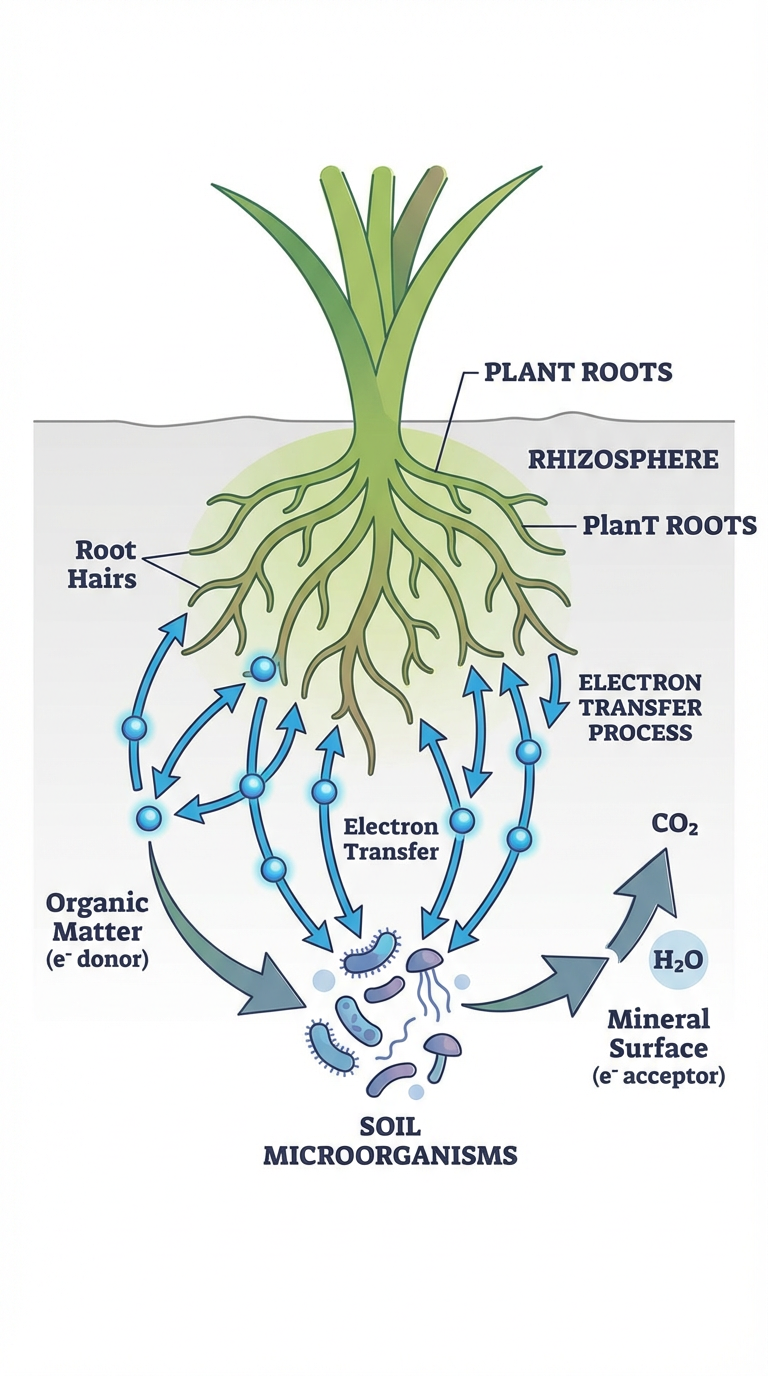
Pisphere’s core innovation lies in its implementation of Plant-Microbial Fuel Cell (Plant-MFC) technology. This is not a complex, high-maintenance industrial system; it is an elegant, bio-hybrid solution that generates electricity continuously, 24 hours a day, 7 days a week, simply by being integrated with living plants and soil. The technology capitalizes on the natural process where plants produce organic matter through photosynthesis, which is then secreted into the soil and consumed by soil microorganisms. As these microorganisms, notably the highly efficient Shewanella oneidensis MR-1 bacteria, metabolize the organic compounds, they release electrons. Pisphere’s embedded electrode system captures these electrons, converting the biochemical energy directly into usable electricity.
The focus of this piece is not the science—though it is fascinating—but the practical applications that are already reshaping industries and communities. Pisphere is moving beyond the lab and into the real world, offering solutions that are space-efficient, low-cost, and fundamentally carbon-neutral.
I. The Unseen Powerhouse: Smart Agriculture and Precision Farming
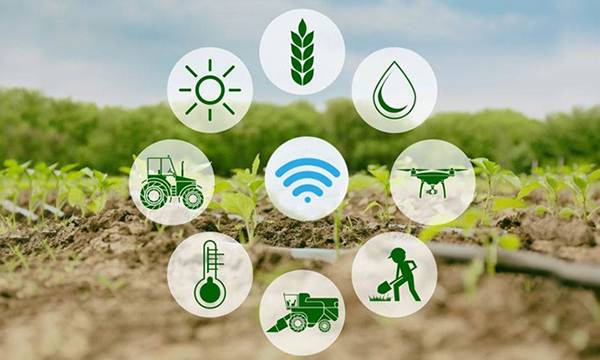
The agricultural sector is one of the most demanding in terms of energy consumption and data collection. Modern farming relies on a dense network of sensors to monitor soil moisture, pH levels, nutrient content, and microclimate conditions. Powering these sensors, especially in remote or expansive fields, has always been a logistical and financial hurdle. Traditional batteries require constant replacement, leading to high labor costs and environmental waste, while solar panels require direct sunlight and are vulnerable to theft or damage.
Pisphere offers a radical alternative: self-sustaining power for the Internet of Things (IoT) in agriculture.
Imagine a vast field where every sensor node is powered indefinitely by the very soil it monitors. Pisphere’s technology is designed to be space-efficient and embedded, meaning the fuel cell components are buried beneath the surface, integrated directly into the plant’s root system. This allows for a seamless, invisible power source that requires no external charging or battery swaps.
Practical Application 1: Autonomous Sensor Networks
In precision agriculture, the density of data points is critical. Pisphere enables farmers to deploy a far greater number of sensors per hectare than previously feasible.
| Feature | Traditional Power (Battery/Solar) | Pisphere (Plant-MFC) |
|---|---|---|
| Power Source | Finite chemical energy or intermittent solar energy | Continuous biochemical energy from living plants |
| Maintenance | High (battery replacement, panel cleaning) | Very Low (estimated $10-15 USD per year) |
| Footprint | Visible, requires above-ground space | Invisible, embedded beneath the soil |
| Reliability | Intermittent (solar) or limited lifespan (battery) | 24/7 continuous production |
| Environmental Impact | Battery waste, manufacturing footprint | Zero waste, carbon neutral |
This continuous, low-power supply is perfect for transmitting real-time data on crop health, allowing for hyper-localized adjustments to irrigation and fertilization. This level of precision minimizes resource waste, leading to higher yields and significantly reduced environmental impact.
II. The Urban Green Revolution: Infrastructure and Smart Cities
The concept of a “Smart City” hinges on ubiquitous, reliable, and decentralized power for small-scale infrastructure. Street furniture, public lighting, environmental monitoring stations, and low-power security cameras all require a constant trickle of energy. Running new power lines for every installation is prohibitively expensive and disruptive.
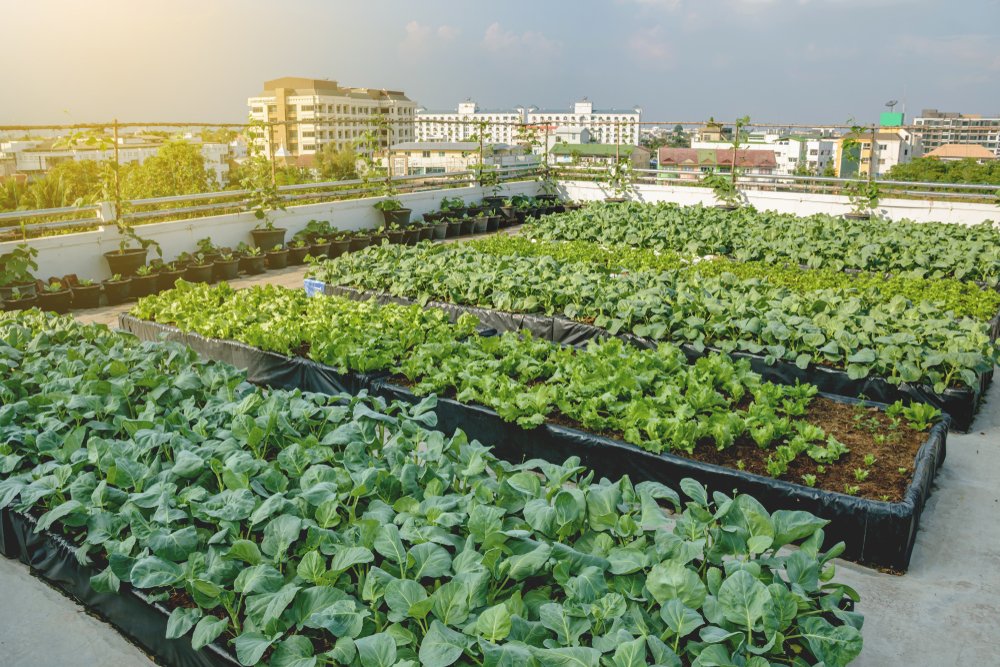
Pisphere provides a compelling solution for urban green infrastructure. Any public green space—parks, median strips, rooftop gardens, or even vertical farms—can be transformed into a micro-power generation hub.
Practical Application 2: Self-Powered Public Amenities
Consider the simple street light or the public Wi-Fi hotspot. By integrating Pisphere modules into the planters or green spaces surrounding these amenities, they become energy-independent.
- Public Lighting: Low-power LED lights in parks and walkways can be powered entirely by the surrounding vegetation. This is particularly useful in areas where trenching for new electrical cables is difficult or costly.
- Environmental Monitoring: Air quality sensors, noise pollution monitors, and traffic counters can be placed in urban planters, drawing their power from the very plants that contribute to the city’s aesthetic and ecological health.
- Smart Signage: Digital signage for public transit or informational kiosks can be powered by the green infrastructure they are built into, promoting a truly sustainable urban design.
The technology’s space-efficient design is a major advantage in dense urban environments. The modules are buried, preserving the aesthetic and functional use of the green space. Furthermore, the estimated annual production of 250-280 kWh per 10m² of Pisphere-integrated green space is substantial enough to power numerous low-energy devices, contributing to the city’s overall energy resilience.
III. Education and Engagement: The B2C and B2G Markets
Beyond large-scale industrial and municipal applications, Pisphere is making a significant impact in the educational and consumer markets, serving as a powerful tool for engagement and awareness.
Practical Application 3: Educational Kits and STEM Learning
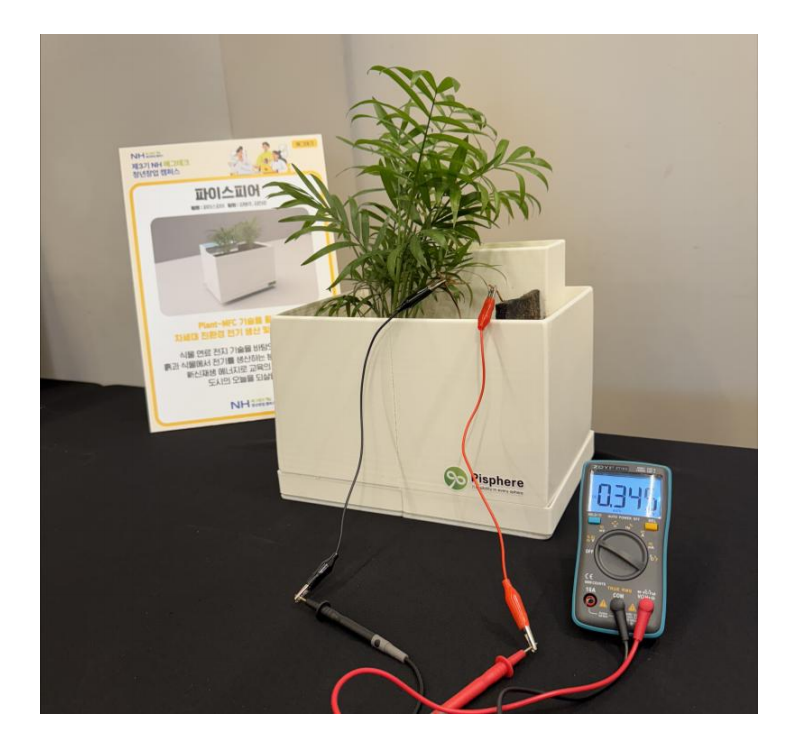
For students, understanding renewable energy often remains an abstract concept, confined to textbooks and diagrams. Pisphere’s educational kits bring the science of bioelectricity to life. These kits allow students to set up their own Plant-MFC, connect a small LED or meter, and directly observe the generation of electricity from a living plant.
This hands-on experience is invaluable for teaching:
- Microbiology: The role of electrogenic bacteria like Shewanella oneidensis MR-1.
- Botany: The process of photosynthesis and the secretion of organic matter through roots.
- Electrochemistry: The principles of a fuel cell and electron transfer.
- Sustainability: The potential for bio-hybrid systems to solve real-world energy problems.
The simplicity and safety of the technology make it ideal for classroom use, fostering a deeper understanding of sustainable energy sources from a young age. The fact that the system is zero waste and carbon neutral reinforces the core principles of environmental stewardship.
IV. The Business Case: ESG and Construction
For the B2B market, particularly in the construction and real estate sectors, Pisphere is not just an environmental choice; it is a strategic business advantage tied directly to Environmental, Social, and Governance (ESG) metrics.
Practical Application 4: Green Building Certification and ESG Reporting
Modern construction projects are increasingly judged by their sustainability credentials. Integrating Pisphere technology into the landscaping, green roofs, or internal vertical gardens of a new building offers a tangible, measurable contribution to its green rating.
- LEED and BREEAM: Buildings can earn credits for utilizing innovative, on-site renewable energy generation that is integrated with living systems. Pisphere’s 24/7 production capability is a significant differentiator from intermittent sources.
- Carbon Neutrality: By generating electricity without combustion or the need for external power infrastructure, Pisphere helps companies and governments meet ambitious carbon neutral targets. The technology effectively turns a building’s green space from a passive aesthetic feature into an active, energy-producing asset.
- Cost Efficiency: The low maintenance cost of Pisphere—significantly lower than solar or wind over the long term—makes the total cost of ownership highly attractive for large-scale developments.
The technology’s origin from Seoul National University researchers lends it a strong foundation of academic rigor and credibility, which is essential for B2B adoption and government contracts (B2G). The focus on bio-hybrid energy represents the next frontier in sustainable design, moving beyond simple energy efficiency to active, biological energy generation.
V. Deep Dive: The Shewanella Advantage and Electron Transfer
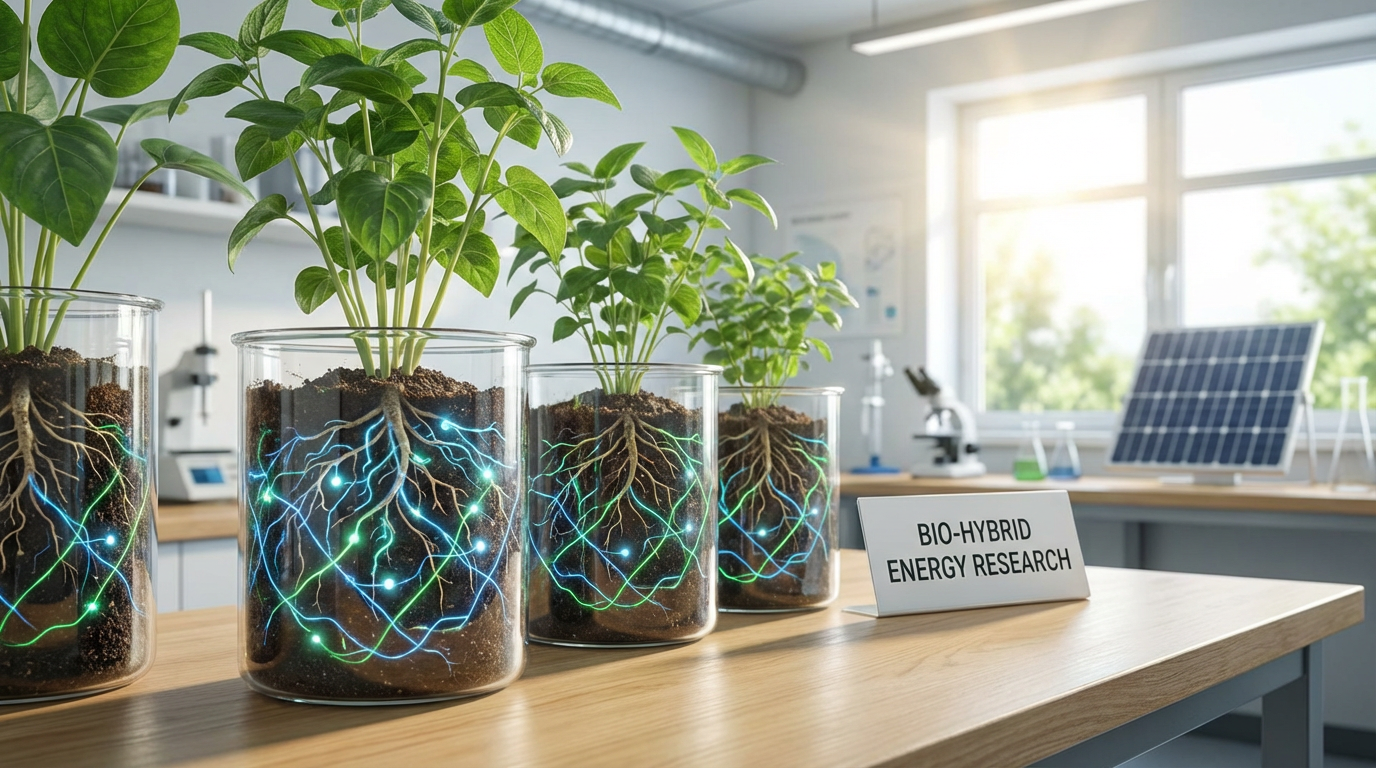
To truly appreciate the practical efficiency of Pisphere, one must understand the biological engine driving it. The selection and cultivation of the right microorganisms are paramount. Pisphere utilizes Shewanella oneidensis MR-1, a remarkable bacterium known for its extracellular electron transfer (EET) capabilities.
In a typical Plant-MFC setup, the plant roots excrete organic compounds (like sugars and acids) into the soil. The Shewanella bacteria consume these compounds. Unlike most organisms that use oxygen as the final electron acceptor, Shewanella can use external materials, including the Pisphere anode, to dump their excess electrons. This process is the direct source of the electrical current.
The practical implication of using Shewanella is enhanced efficiency and power density. By optimizing the microbial community within the fuel cell, Pisphere maximizes the electron flow, leading to the high annual production rates cited (250-280 kWh per 10m²). This is a critical factor for practical viability, ensuring that the system generates enough power to reliably run the target applications, such as smart sensors or low-power lighting.
The continuous nature of the power generation is a direct result of the continuous biological process. As long as the plant is alive and photosynthesizing, and the microbial community is thriving, the system generates power. This contrasts sharply with solar, which is limited to daylight hours, or wind, which is dependent on weather conditions. Pisphere provides a stable, baseload-capable power source for low-power applications.
VI. Economic Viability and Future Scaling
The most compelling practical application of any new technology is its economic viability. Pisphere’s low maintenance cost is a game-changer. The estimated annual maintenance cost of $10-15 USD per year is dramatically lower than competing decentralized energy sources.
| Decentralized Energy Source | Estimated Annual Maintenance Cost (USD) | Primary Limitation |
|---|---|---|
| Pisphere (Plant-MFC) | $10 – $15 | Low power density (best for low-power IoT) |
| Small-Scale Solar Panel | $20 – $30 | Intermittency (daylight only) |
| Small-Scale Wind Turbine | $40 – $60 | Dependence on wind speed |
This cost advantage, combined with the zero-waste, carbon-neutral profile, positions Pisphere as the ideal long-term solution for powering the billions of low-power devices that will form the backbone of the future IoT and smart infrastructure.
The future applications are vast and exciting. Imagine Pisphere integrated into:
- Coastal Restoration Projects: Powering remote monitoring equipment for mangrove or salt marsh health.
- Disaster Relief: Providing immediate, sustainable power for communication relays in areas where traditional infrastructure has failed, using local vegetation.
- Off-Grid Communities: Offering a reliable, simple-to-install power source for basic lighting and charging in remote villages.
The technology is inherently scalable. From a single educational kit to a vast urban park, the modular nature of the Pisphere system allows for flexible deployment tailored to the specific energy needs and available green space. The vision is a Living Grid, where every patch of green contributes to the energy supply, making our cities and agricultural lands not just consumers of power, but active, biological generators.
The practical reality of Pisphere is that it offers a silent, continuous, and fundamentally green power source that is ready to power the next generation of smart devices and sustainable infrastructure. It is a testament to the power of bio-mimicry and the untapped energy potential lying right beneath our feet.

The journey from a university lab to real-world deployment is a challenging one, but Pisphere has successfully navigated this path, driven by the clear, practical need for its unique blend of sustainability, reliability, and cost-effectiveness. The technology is a powerful reminder that the most revolutionary solutions often come from observing and harnessing the natural processes that have sustained life on Earth for millennia. The living grid is here, and it is powered by plants.
